Ten mentors. Ten students. Paired by hand.
One semester, in finance, in Charlotte and Chapel Hill. Both people see the reason before either says yes.
3 mentors and 4 students have said yes so far, out of 10 each.
Apply to Cohort 001.
Mentor or student, it is the same conversation from two sides. We read every one.
I am looking for a mentor
You know what you are trying to do next, and you do not know anyone who has done it.
Start the mentee application MentorI want to be a mentor
You have done the thing somebody here is trying to do. An hour a month is enough.
Start the mentor applicationYou write what you are working out, in your own words.
We show who should meet, and why.
Both people see the reason before either says yes.
Cohort 001 applications are open. Ten mentors, ten students.
Two people read every application.
The software narrows it. Rules we set by hand compare what two people wrote about themselves, with no score and no model. Then one of us reads both applications, decides, and writes the three reasons the two of them will read. The rules never make the pairing on their own, and the reasons are never generated.
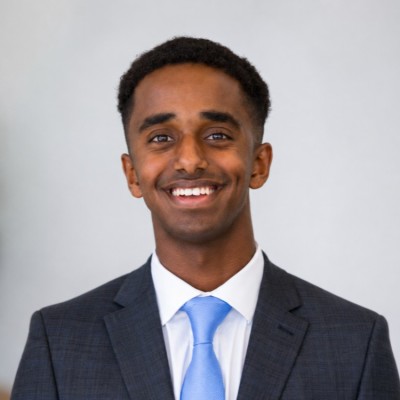
Abel Gessesse
Reads every application and writes the reasons both people see.
Pablo Ortega Navarro
Finds the mentors, and says no to a pairing when the reason is thin.
Who you could be paired with.
The kinds of people in and around Cohort 001. Names come after both of you have said yes, never before.
- Director at a Charlotte bank
- Engineer at a health-tech startup
- UNC alum who founded a company
- Public defender, ten years in
- Product designer at a software company
- Nurse practitioner who moved into hospital operations
- Teacher who became a school principal
- Portfolio manager at a pension fund
What happens, in order.
- ApplyA few sentences about what you are working out. No account, about a minute.
- A person reads itBoth of us read every application. Nothing is scored and nothing is automatic.
- We propose a pairThree reasons, built from what both people wrote, shown to both of them.
- Both say yesNobody’s name or contact details are shared until both have agreed.
- First conversationA shared agenda, so both of you arrive with something to cover.
- One semesterSessions, a goal you set together, and a record of what was agreed.
- A proper endingA closing conversation, and a decision about what happens next.
Questions people actually ask.
Who is this for?
Students and early-career people in any field, and anyone further along who is willing to give about an hour a month. The first mentors came through a finance network in Charlotte, which is how the cohort was recruited rather than who it is for.
What does it cost?
Nothing has been charged to anyone. Pricing for organizations is a conversation we would rather have after hearing what you are trying to do, and no individual in Cohort 001 has been asked for money.
What does a mentor actually commit to?
About an hour a month for one semester, and a first conversation within a week or so of being paired. You set the cadence with your mentee in that first conversation, and you can change it.
What if the match does not fit?
Say so, and we pair you again. You do not have to explain why to the other person, and nothing about it is shown to them. If you tell us which reason was wrong, the next proposal is better.
What can an administrator see?
That a session happened and when, whether a relationship has gone quiet, and what both people said about the programme afterwards. Not your messages, not your notes, not a recording, and not a summary before both of you have approved it.
Is a conversation recorded?
Only if both of you turn it on for that session. It is off by default, asked each time, an indicator shows while it runs, either of you can stop it, and either of you can ask for the audio to be deleted. If either of you declines, nothing is recorded.
Something not answered here? hello@mentable.co